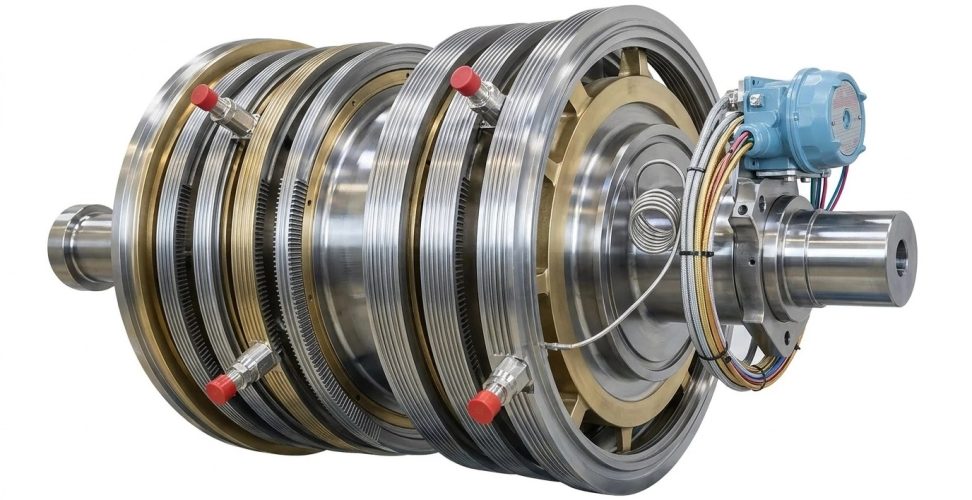
In the high-stakes environment of power generation and industrial energy, the margin for error is non-existent. For plant managers and maintenance teams operating heavy-duty gas and steam turbines, every hour of unplanned downtime translates into staggering financial losses and operational risk. When a critical component fails: be it a fuel nozzle, a bearing, or a high-pressure sensor: the immediate challenge is a binary choice: do you wait for the Original Equipment Manufacturer (OEM) or do you pivot to an OEM-equivalent solution?
The debate between OEM and OEM-equivalent parts is often framed as a conflict between brand assurance and cost-savings. However, for modern facilities navigating the complexities of aging infrastructure and volatile supply chains, the reality is far more nuanced. Relying solely on OEMs can lead to stagnant lead times and inflated procurement costs, while poor-quality aftermarket alternatives risk catastrophic mechanical failure.
At Global Tech Services, LLC (GTS), we believe that the “equivalent” label shouldn’t just mean a lower price: it must mean matching or exceeding the rigorous engineering standards required for your turbine’s survival. This guide explores the strategic advantages of high-quality OEM-equivalent parts and why they are becoming the standard for the world’s most efficient power plants.
The Bottleneck of OEM Lead Times: Navigating Operational Risk
One of the most significant challenges facing the energy sector today is the increasing lead time for critical turbine components. While OEMs like General Electric®, Siemens®, and Westinghouse® provide the blueprint for the industry, their global supply chains are often cumbersome. For a plant manager, waiting 20 to 30 weeks for a set of fuel system components is not just an inconvenience: it is a threat to the facility’s reliability.
Unplanned outages demand rapid response. When a turbine is offline, the priority is restoring the “gas path” to operational status. OEM-equivalent providers like GTS operate with a level of agility that massive conglomerates cannot match. By maintaining a deep inventory of general spares and specialized hardware, we minimize the window of vulnerability.
Choosing an OEM-equivalent partner allows maintenance teams to:
- Minimize downtime by bypassing traditional OEM procurement hurdles.
- Avoid the “stockout” trap common with legacy turbine models that OEMs may no longer prioritize.
- Respond to emergency repairs with specialized bucket installation hardware and fasteners delivered in days, not months.
Beyond the Price Tag: Strategic Cost Efficiency
It is a common misconception that high prices are a direct proxy for high quality. In the world of industrial turbines, OEM pricing often includes significant overheads related to brand equity, global marketing, and legacy debt. Competitive pricing for OEM-equivalent parts is not achieved by cutting corners on materials; it is achieved through focused manufacturing and streamlined distribution.
For procurement departments, the financial benefit of OEM-equivalent parts is twofold. First, the direct capital expenditure is significantly lower, often ranging from 15% to 40% less than OEM list prices. Second, the total cost of ownership (TCO) is reduced because parts are readily available, reducing the need for facilities to maintain massive, expensive onsite inventories.
When you invest in combustion system components or bearings and deflectors from a trusted thirdparty manufacturer, you are paying for the engineering and the material, not the logo. This allows you to reallocate your maintenance budget toward proactive monitoring and system upgrades, further enhancing long-term plant stability.
Engineering Reliability: How “Equivalent” Becomes “Superior”
In the power generation sector, “reliability” is a technical term defined by tolerances, metallurgy, and performance under extreme stress. Modern gas turbines operate at temperatures that test the limits of physics, where components must resist creep, thermal fatigue, and oxidation.
The term “OEM-equivalent” must be backed by rigorous engineering. This involves:
- Material Integrity: Utilizing high-grade superalloys and stainless steels that meet or exceed OEM specifications for high-temperature and high-pressure environments.
- Precision Machining: Maintaining sub-micron tolerances for labyrinth seals and compressor parts to ensure perfect fitment within the rotor and stator assemblies.
- Reverse Engineering Excellence: Analyzing the wear patterns of original parts to identify and correct inherent design flaws, effectively providing an “upgraded” replacement.
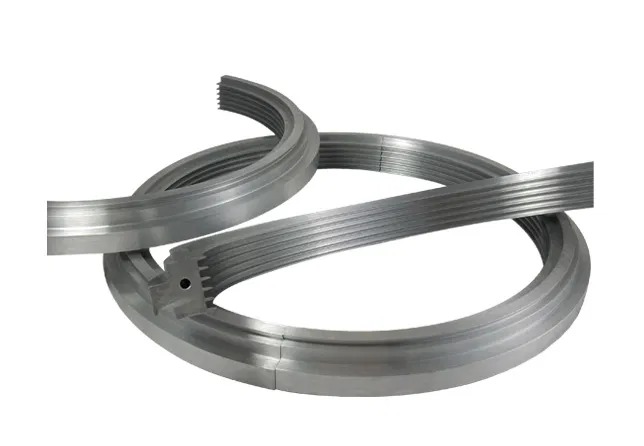
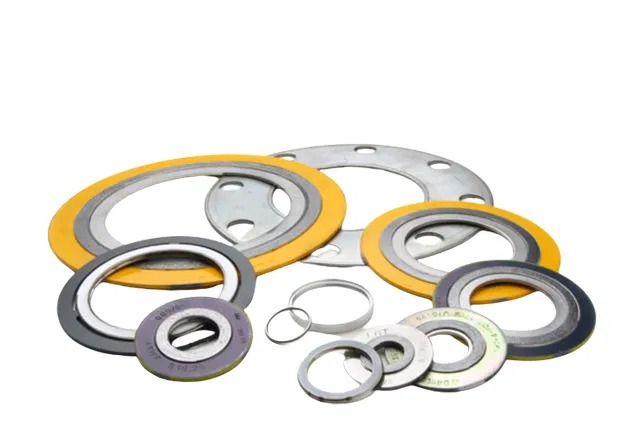
At GTS, our parts are designed to be fully interchangeable with major brands including GE®, Siemens®, and Nuovo Pignone®. Whether it is a set of high-performance gaskets and seals or complex instrumentation, our focus remains on maximizing the mean time between failures (MTBF). Our ISO 9001 certified quality management system ensures that every part leaving our facility is ready for the rigors of continuous operation.
A Comprehensive Spares Strategy: From Nozzles to Sensors
A robust maintenance strategy requires more than just high-level components; it requires the minute details that keep the system sealed and monitored. A failure in a $50 thermocouple or vibration sensor can trigger an emergency shutdown just as easily as a failed rotor blade.
Empowering your maintenance team means providing them with a complete ecosystem of parts. A strategic alliance with an OEM-equivalent provider ensures you have access to:
- Fuel System Components: Precision fuel nozzles and flexible metal hoses designed for optimal spray patterns and combustion efficiency.
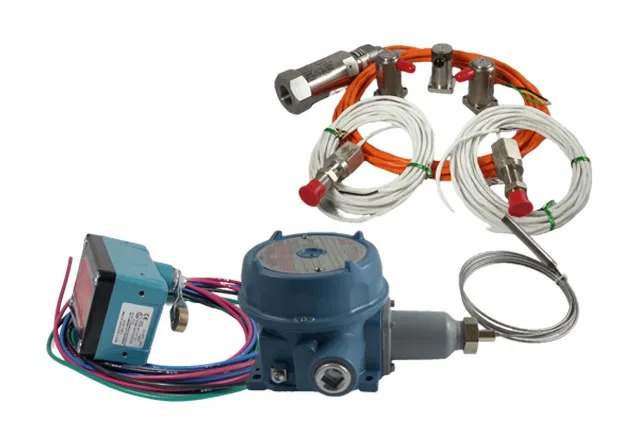
- Sensors and Instrumentation: Pressure sensors and vibration monitors that provide the critical data needed for condition-based maintenance.
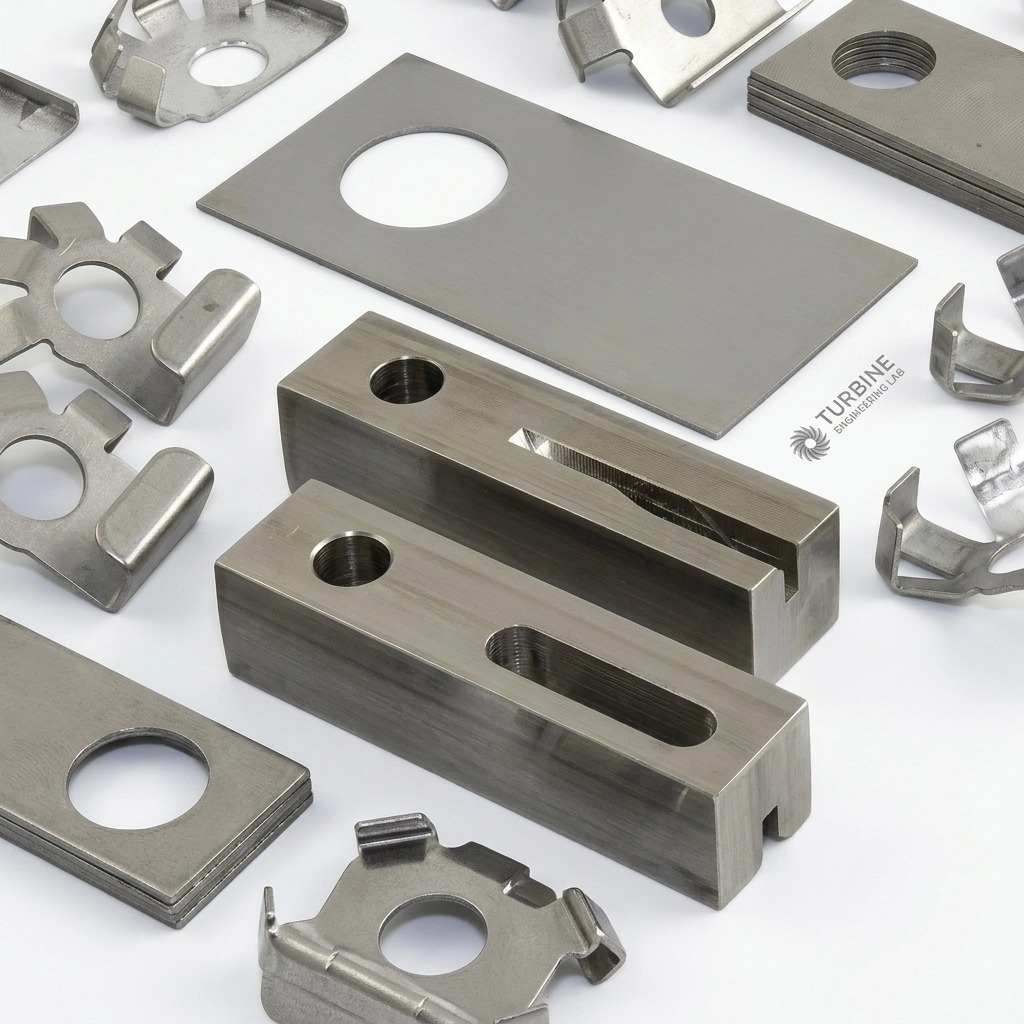
- Critical Hardware: Custom-cut shims, alignment keys, and locking plates: often overlooked until they are missing during a critical reassembly phase.
By sourcing these parts from a single, reliable partner, you ensure consistency across your fleet and simplify the logistics of your outage planning.
Mitigating Operational Risk through Strategic Partnerships
The choice between OEM and OEM-equivalent is ultimately a choice of how you manage risk. In the past, the “safe” choice was always the OEM. However, in an era of global supply chain instability and rising costs, the risk of waiting for an OEM part has become greater than the risk of using an equivalent.
Navigating these challenges requires a partner who understands the technical nuances of your specific turbine model: whether it’s a Frame 5, 6, 7, or 9, or a specialized aeroderivative unit. At Global Tech Services, LLC, we don’t just supply parts; we offer a strategic alliance to help you maintain peak performance while minimizing operational expenditure.
Our commitment to reliable performance and faster delivery is backed by 38 years of industry excellence. We invite plant managers and maintenance teams to move beyond the traditional vendor relationship and discover a partnership built on technical precision and shared goals.
Making the Right Choice for Your Facility
Choosing the right parts for your industrial turbines is a critical decision that impacts your bottom line, your safety record, and your plant’s longevity. While OEM parts offer a degree of familiarity, high-quality OEM-equivalent solutions from Global Tech Services, LLC provide a superior balance of cost, speed, and reliability.
Don’t let OEM lead times dictate your operational schedule. Maximize your turbine’s uptime and take control of your maintenance budget today.
Are you preparing for an upcoming maintenance outage? Contact our technical team at Global Tech Services, LLC for a consultation on how our OEM-equivalent solutions can streamline your operations. Let us show you why the world’s leading energy companies trust GTS for their most critical parts.