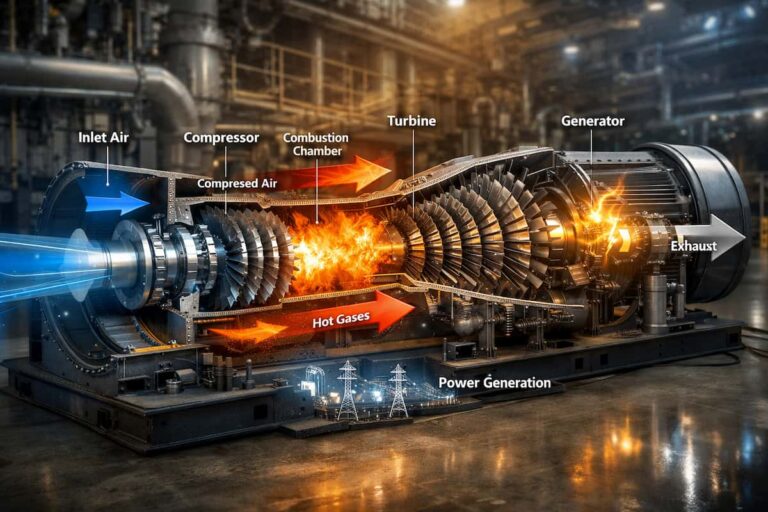
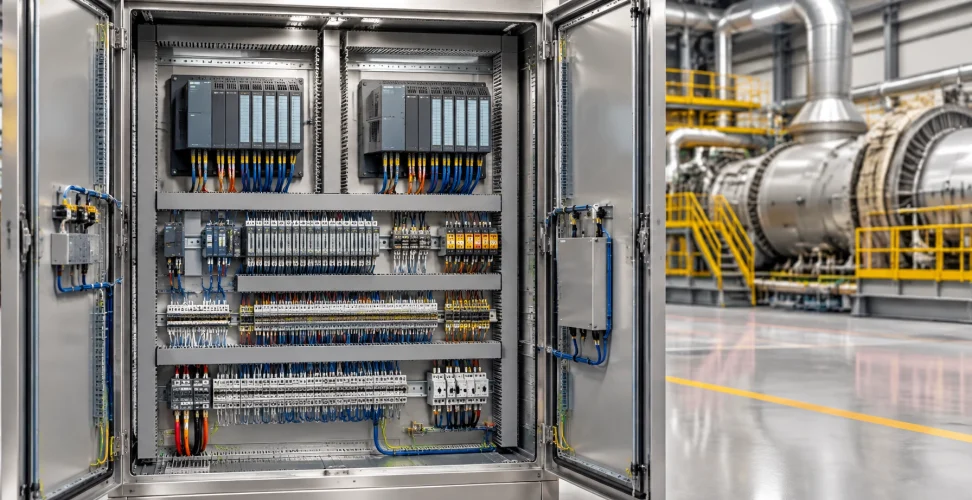
On an aging heavy-duty gas turbine, the control system can become a hidden failure point. Obsolete hardware, unreliable signals and difficult-to-source spares can turn a small fault into a forced outage. And when control-related trips interrupt generation, the cost of downtime can quickly exceed the cost of a properly planned retrofit.
That does not mean every older control system needs immediate replacement. A retrofit is a significant project that requires engineering, testing and careful outage planning. The right first step is to identify where your system is exposed, then compare that risk with the cost and scope of upgrading.
Warning Signs Your Control System Is Due for an Upgrade
Control-system obsolescence often develops gradually. Watch for patterns that undermine reliability, maintainability or safe operation:
- Obsolete hardware with limited or no support. Controllers, I/O cards, HMIs, workstations and communication components may no longer receive manufacturer support or software updates.
- Unexplained trips or recurring alarms. Repeated faults, intermittent signal loss and nuisance alarms can point to failing hardware, poor-quality field signals or control logic that needs investigation.
- Spare-part exposure. If a failed card or processor has no verified replacement, repair path or tested spare, a minor issue could result in a prolonged outage.
- Tuning drift and inconsistent operation. Difficulty maintaining stable load, startup repeatability or combustion behavior may indicate problems in the control loop, instrumentation or underlying logic.
- Alarm floods and poor diagnostics. When operators cannot quickly distinguish a primary fault from its consequences, troubleshooting takes longer and response becomes more difficult.
- Integration limitations. Legacy systems may not communicate effectively with plant DCS, historians or newer instrumentation, restricting visibility and condition-based maintenance.
A single symptom does not prove that the controller is the root cause. Sensors, wiring, power supplies, grounding, actuators and field connections can produce similar symptoms. A disciplined assessment checks the full signal path, not just the control cabinet.
What a Modern Retrofit Actually Involves
A control retrofit can range from a targeted upgrade of an HMI, flame detection system or obsolete I/O to replacement of the main turbine control panel. The scope depends on the turbine, its existing controls, operating requirements and the plant’s approved engineering design.
A typical assessment may cover:
- Controllers and I/O modules: processor redundancy, input/output capacity, diagnostics and compatibility with the turbine’s logic and field devices.
- Flame detectors and combustion signals: detector condition, signal integrity, false-trip history and compatibility with the proposed system.
- Speed and position feedback: magnetic pickups, proximity probes, LVDTs and associated cabling or signal conditioning.
- Temperature and pressure instruments: thermocouples, pressure sensors and transmitters, including calibration, range and connection requirements.
- Wiring and interfaces: field cables, terminal blocks, marshalling, grounding, shielding, power supplies and connections to plant systems.
- Operator interfaces and records: HMI displays, alarm handling, event histories, trends, backups and engineering access.
Whether to retain or replace existing field wiring and instruments should be determined by inspection and testing. Some packaged retrofit approaches are designed to reuse existing field wiring and instrumentation; other projects require more extensive replacement. Emerson’s GE 7EA retrofit overview describes an example of a system-specific package and its scope. It is an example, not a universal template for every turbine.
Before installation, the project team should define control and protection boundaries, document existing logic, verify I/O, and establish factory and site acceptance testing. Commissioning plans should cover normal operation and failure conditions, including loss of signal, sensor faults, trips, permissives and communications failures. Control and protection changes must be engineered, reviewed and validated by qualified personnel for the specific unit.
Upgrade Triggers and Timing
The strongest case for a retrofit is usually a combination of lifecycle risk and operational impact, not age alone. Consider moving from assessment to project planning when:
- The manufacturer or service provider confirms critical components are discontinued or repair-only.
- A control failure has caused repeated trips, extended troubleshooting or longer outages.
- Essential spares cannot be sourced with a dependable delivery or repair path.
- Cybersecurity, operating-system or network limitations affect the plant’s approved risk posture.
- A combustion, emissions or other turbine upgrade requires new control functions.
- Your maintenance team cannot confidently test, support or troubleshoot the installed platform.
Whenever possible, align the work with a planned major inspection or another suitable outage window. That gives the team an opportunity to coordinate panel work, field-device checks and related maintenance while the unit is already unavailable. Planning should include time for engineering, procurement, logic review, factory testing, installation, commissioning and contingency, not just the physical changeover.
Early planning matters because upgrade scope can expand after surveys reveal wiring defects, undocumented modifications or unreliable instruments. The published discussion in Turbomachinery International also cautions that retrofit cost and downtime can exceed initial expectations. A clear scope and realistic outage plan help minimize surprises.
Parts You Need on the Shelf Before Commissioning
A commissioning schedule can be delayed by a missing sensor or connection just as readily as by a controller issue. Confirm the parts list, specifications and delivery plan early, based on the approved design and the turbine’s parts documentation.
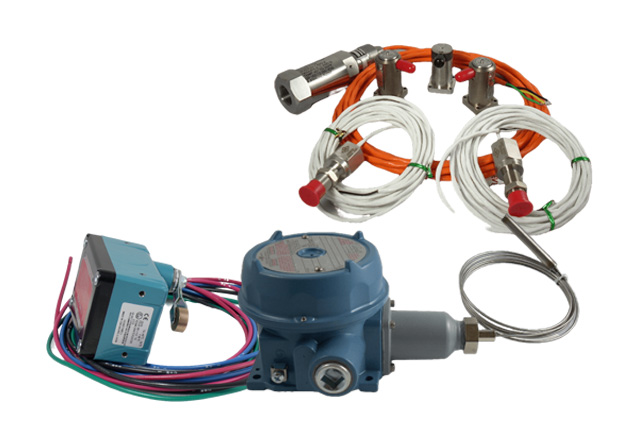
Depending on the project, critical spares may include:
- Flame detectors and related components
- Exhaust or other temperature thermocouples
- Pressure sensors and transmitters
- Magnetic pickups and proximity sensors
- Relays, terminals and approved cabling
- Connectors and other instrumentation accessories
Part selection must match the required range, electrical characteristics, environmental conditions, connection type and control-system interface. Confirm the exact part number and approved replacement before ordering; similar-looking parts are not necessarily interchangeable.
Sourcing multiple required components through one supplier can simplify coordination, reduce separate purchasing steps and make it easier to track availability. It does not replace engineering approval, but it can help your procurement and maintenance teams manage a tightly scheduled outage.

How GTS Supports Control System Upgrades
Global Tech Services, LLC (GTS) supports turbine maintenance and retrofit planning with OEM-equivalent parts and distribution of mechanical, instrumentation, electrical, control and balance-of-plant components. Our supplied instrumentation includes thermocouples, pressure sensors, vibration sensors, magnetic pickups, proximity sensors and fire detectors.
GTS also distributes products from brands including ASCO Numatics, Rosemount, Robertshaw, Kidde Fenwal, Ametek, Conax and AI-Tek. Availability and suitability vary by application, so part numbers and specifications should be checked against your turbine documentation and engineering requirements.
Our role is to help you source the right replacement components efficiently, not to substitute parts supply for controls engineering or commissioning. By coordinating your requirements with our team, you can assess availability, confirm component details and plan supply alongside your maintenance or retrofit schedule.
Explore GTS turbine sensors and general spares to review relevant product categories.

A controls retrofit is a strategic reliability decision. The goal is not simply to install newer hardware; it is to reduce obsolescence exposure, improve maintainability and give your team dependable support for the turbine’s remaining operating life.
Contact GTS to discuss your turbine model, control-system parts requirements and retrofit schedule. Our team can support a technical consultation focused on sourcing and planning the components your project requires.