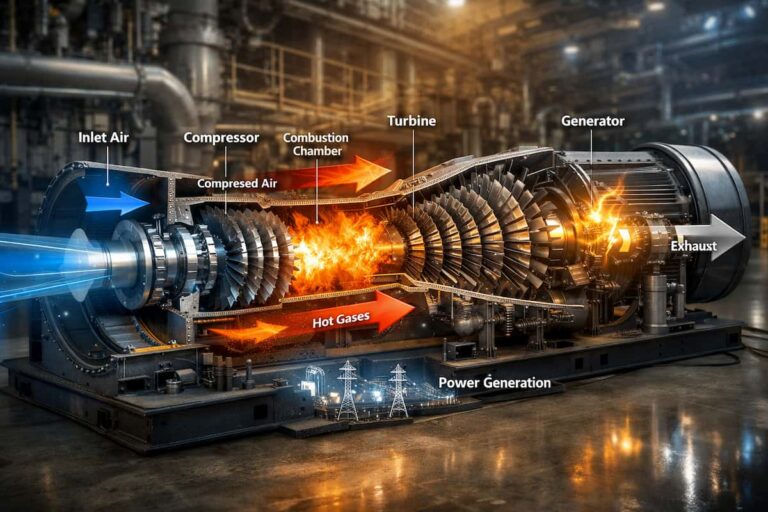

A steam turbine outage is planned months in advance, but the schedule can still fail when a critical replacement component is unavailable. A missing gasket, incorrect bearing pad, damaged rotor blade, or unavailable sensor can keep an otherwise repairable unit offline for days or weeks.
For maintenance and procurement teams, steam turbine spares inventory is an operational risk-control strategy: not simply a purchasing exercise. The objective is to identify the parts most likely to stop the work scope, verify their availability before the outage begins, and establish a reliable supply path for items that cannot be economically stored onsite.
This stocking checklist covers the major categories of steam turbine parts, including bearings, gaskets and seals, rotor blades, bucket installation hardware, and sensors.
Why Steam Turbine Spares Availability Matters
Steam turbines operate under high temperature, pressure, rotational speed, and mechanical loading. Components are exposed to erosion, corrosion, thermal cycling, vibration, wear, and creep. When a part reaches the end of its service life, replacement is often tied to a specific outage window.
The cost of an unavailable part extends far beyond its purchase price. A delayed component can result in:
- Extended forced or planned outage duration
- Lost power generation and revenue
- Additional contractor and crane costs
- Delayed commissioning and synchronization
- Increased pressure on maintenance personnel
- Greater exposure to rushed installation decisions
A complete parts plan allows your team to move from inspection to repair without waiting for emergency sourcing. It also gives procurement more time to verify material quality, dimensional compatibility, documentation, and delivery commitments.
Step 1: Build a Unit-Specific Critical Spares List
Do not begin with a generic catalog. Start with the exact turbine configuration, including:
- Turbine manufacturer, model, and frame or series
- Unit output and operating conditions
- High-pressure, intermediate-pressure, and low-pressure sections
- Turbine-generator arrangement and coupling design
- Bearing types and locations
- Previous inspection findings
- Operating hours and starts
- Historical failures and repeat consumption
- Planned outage scope and duration
Use the turbine’s illustrated parts catalog, maintenance manuals, engineering drawings, and previous outage reports to identify the correct part numbers and quantities.
Classify every item into a practical inventory category:
- Critical spares: Failure can trip the unit or prevent restart.
- Insurance spares: High-value or long-lead components, such as major internals.
- Operational spares: Parts commonly replaced during maintenance.
- Consumables: Gaskets, O-rings, filters, packing, and installation materials.
This approach prevents two common problems: overstocking low-risk items and discovering that a long-lead critical component was never ordered.
Step 2: Bearings and Deflectors
Bearings support the rotor, maintain alignment, and control axial movement. A bearing problem can quickly develop into rotor-to-stator contact, elevated vibration, or a forced shutdown.
Your steam turbine spares inventory should be reviewed for:
- Journal bearing pads
- Thrust bearing pads
- Active and inactive thrust components
- Bearing cartridges or shells
- Bearing fasteners and locating hardware
- Oil seals and air seals
- Oil deflectors
- Gear or accessory bearings, where applicable
For each bearing location, verify the part number, dimensions, material, orientation, clearance requirements, and inspection status. A spare bearing that is physically present but lacks traceable identification or inspection documentation may not be ready for installation.
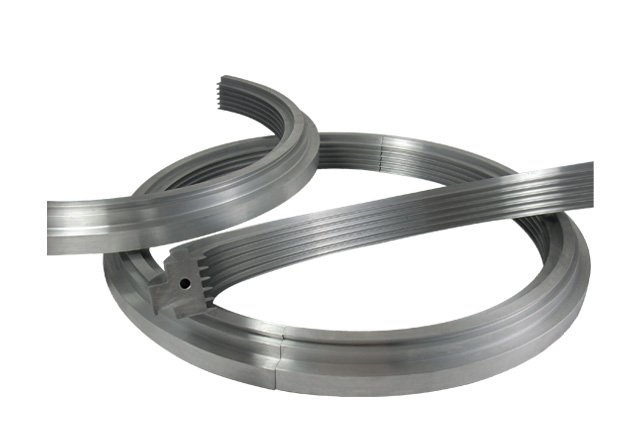
A common planning principle is to hold at least one complete replacement set for critical bearing types and locations. Large units, remote facilities, and turbines with long replenishment lead times may justify additional insurance stock.
GTS supplies bearings and deflectors for turbine applications, including oil seals, air seals, deflectors, accessory gear bearings, and thrust bearings. Confirm compatibility against your turbine documentation before purchase.
Step 3: Gaskets, Seals, and Packing
Gaskets and seals are among the most frequently overlooked steam turbine parts. They are relatively inexpensive compared with major components, but their absence can stop reassembly.
Prepare a complete gasket and sealing schedule for every joint expected to be opened during the outage. Include:
- Turbine casing joint gaskets
- Valve and flange gaskets
- Steam gland and packing materials
- O-rings
- Labyrinth seals
- Brush seals
- C-seals and E-seals, where specified
- Oil seals
- Generator seal rings, where applicable
- Ceramic fiber and high-temperature packing
- Seal steam system components
Stock enough material to cover the planned work scope, plus a controlled allowance for rework and unexpected findings. A gasket should never be treated as reusable simply because it appears visually intact. Its sealing performance depends on compression, surface condition, temperature, pressure, and material properties.

GTS offers gaskets and seals, including Flexitallic gaskets, copper gaskets, O-rings, C-seals, E-seals, and brush seals. When requesting a quote, provide the turbine model, part number, dimensions, material specification, and required delivery date.
Step 4: Rotor Blades, Buckets, and Stationary Blades
Rotor blades, also called buckets in many turbine designs, are exposed to centrifugal loading, steam erosion, vibration, thermal stress, and corrosion. Damage may include cracking, profile loss, pitting, platform distress, or attachment wear.
Your inventory review should identify:
- Rotating blades or buckets for high-risk stages
- Stationary blades and diaphragm components
- Nozzle blocks and first-stage components
- Blade attachment components
- Shrouds and covers
- Interstage seals
- Replacement components for stages with known erosion or cracking history
Unlike standard consumables, rotor blades and major internals are often strategic spares. Holding a complete set for every stage may not be economical. Instead, use inspection history and failure consequence to determine which components justify onsite stock, regional stock, or an approved supplier agreement.
Do not select blades solely by visual similarity. Verify stage location, airfoil profile, root geometry, material grade, coating requirements, balance considerations, and applicable OEM specifications. Components exposed to high-temperature steam service may require alloys with resistance to creep, oxidation, and erosion.
Where a full rotor or blade set is not stored onsite, establish a documented sourcing plan before the outage. The plan should identify the supplier, technical approval process, manufacturing lead time, inspection requirements, and shipping route.
Step 5: Bucket Installation Hardware and Small Components
Small hardware can create major delays. A maintenance team may have the correct buckets available but still be unable to proceed because retaining pins, locking keys, shims, bolts, or lockplates are missing.
Include the following in your steam turbine spares checklist:
- Bucket locking pins
- Shank pins and seal pins
- Retaining keys
- Locking keys and twist locks
- Dowel pins
- Coupling bolts and nuts
- Lockplates and washers
- Shims and spacers
- Joint keys
- Set screws and studs
- Lockwire
- Retainer springs and blocks
- Thrust plates and support shims

Maintain installation hardware by turbine model and work package. A complete hardware kit for each major joint, coupling, or blade installation scope reduces the risk of a last-minute search through unverified stock.
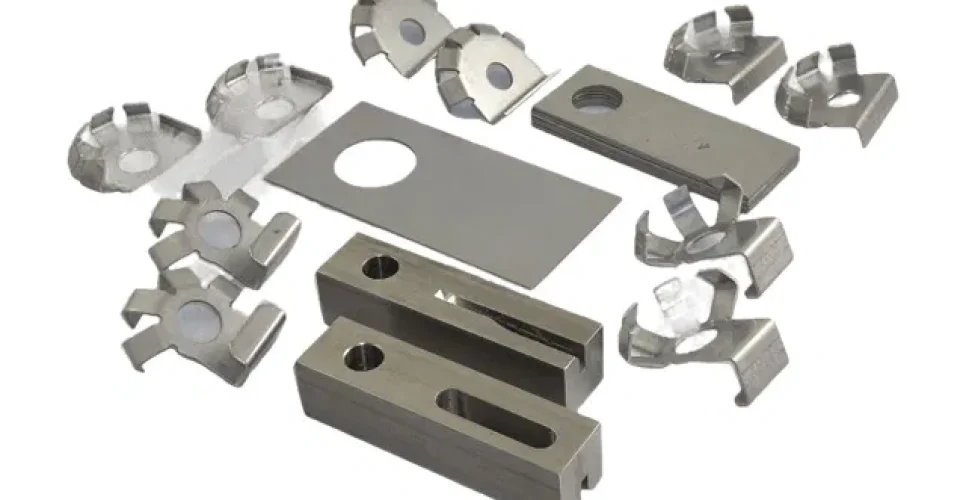
GTS’s inventory includes turbine hardware such as pins, locking pins, seal pins, shims, lockwire, gaskets, washers, bolts, and bucket-related components. Availability changes by part number, so provide your bill of materials early for confirmation.
Step 6: Sensors and Instrumentation
Instrumentation is essential for safe startup, condition monitoring, and protection. A failed sensor can prevent commissioning even when the mechanical work is complete.
Review stock levels for:
- Thermocouples
- RTDs
- Thermowells
- Pressure sensors
- Pressure transmitters
- Vibration sensors
- Proximity or proximitor sensors
- Magnetic pickups
- LVDTs
- Fire detectors
- Sensor cables, connectors, and mounting hardware
Check each item for range, output signal, temperature rating, process connection, cable length, calibration status, and control-system compatibility. A sensor that fits mechanically but produces the wrong signal is not an acceptable spare.
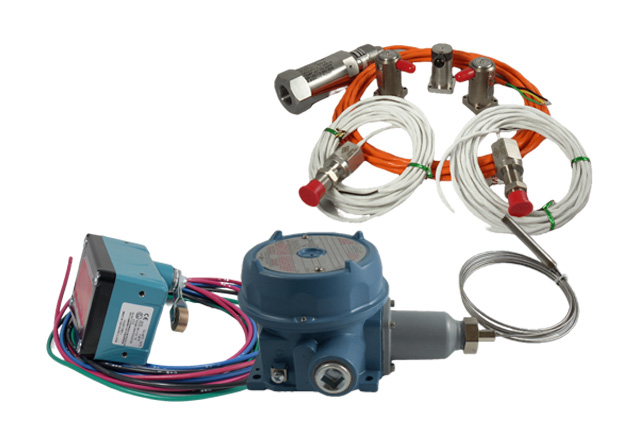
GTS supplies turbine sensors, including thermocouples, thermowells, RTDs, pressure sensors, pressure transmitters, vibration sensors, magnetic pickups, and fire detectors. Confirm the required measurement range and interface before ordering.
Step 7: Verify Availability Before the Outage
Inventory records are not enough. Complete a physical and commercial verification at least several weeks before the planned outage.
Confirm:
- Part is physically available
- Packaging and preservation are intact
- Part number and revision are correct
- Material and inspection documentation are present
- Shelf life is acceptable
- Quantity covers the approved work scope
- Supplier has confirmed delivery for open orders
- Customs and transportation requirements are understood
- Replacement or equivalent parts have technical approval
Group parts by work package and label them clearly. Separate turbine opening materials from balance-of-plant items. This reduces handling time and helps supervisors identify missing components before the outage starts.
Step 8: Use Complete Parts Availability to Shorten Outages
The most effective sourcing strategy combines onsite stock with a responsive external supply network. Your plant may not need to store every rotor blade, bearing cartridge, or major casing component. However, you do need a dependable partner who can identify, verify, and deliver those parts quickly.
GTS maintains access to a broad inventory and global sourcing network for urgent turbine requirements. Its product range supports fuel systems, bearings and deflectors, compressor components, combustion systems, gaskets and seals, sensors, bucket installation hardware, and general spares.
This complete availability helps maintenance and procurement teams:
- Consolidate multiple requirements with one qualified supplier
- Reduce administrative and logistics delays
- Source OEM-equivalent components against documented specifications
- Respond faster to unexpected inspection findings
- Minimize the time between repair approval and installation
Final Checklist for Plant Maintenance and Procurement Teams
Before closing the outage preparation phase, confirm that you have:
- Unit-specific critical spares list
- Bearing and thrust component coverage
- Complete gasket, seal, and packing requirements
- High-risk rotor blades and bucket requirements
- Bucket installation hardware and fasteners
- Critical sensors and instrumentation
- Filters and other outage consumables
- Technical documentation and inspection records
- Physically verified stock
- Confirmed delivery dates for open orders
- Approved sourcing alternatives for long-lead components
- Clearly labeled work packages
A smarter steam turbine spares inventory reduces uncertainty before the outage begins. By combining unit-specific planning, complete parts availability, and fast delivery, you can empower your maintenance team to execute repairs safely and return the turbine to service with fewer avoidable delays.
Preparing for an upcoming outage? Contact GTS to discuss your steam turbine parts requirements, critical-spares list, and delivery schedule. Our team can help you build a reliable sourcing plan aligned with your turbine model, outage scope, and operational priorities.